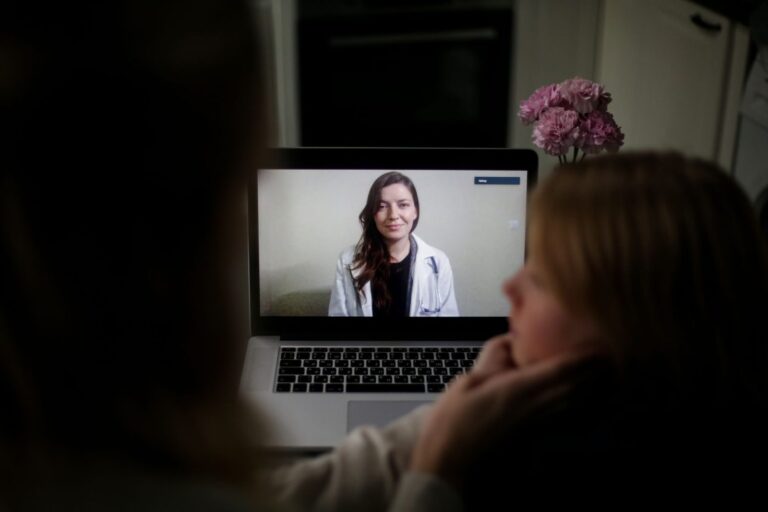

A lot of people do not start by asking, “Will tirzepatide work?” They ask something more personal: “Will it work for someone like me?” That is why tirzepatide success stories in online care matter so much. They give real-world context to the numbers and help adults dealing with stubborn weight gain, slower metabolism, menopause, or andropause see what medically guided treatment can actually look like.
The most useful stories are not the flashy before-and-after claims. They are the steady, honest ones. A patient begins care online, completes a medical intake, speaks with a licensed provider, starts a personalized plan, and notices changes that build over time – appetite feels more manageable, portion sizes shrink naturally, cravings lose their grip, and the scale begins to move in a way that finally feels sustainable.
What tirzepatide success stories in online care usually have in common
When you look across patient experiences, one theme shows up again and again: success is rarely about willpower alone. It is usually about combining the right medication with clinician oversight, realistic expectations, and a treatment plan that fits real life.
Tirzepatide works by targeting pathways involved in appetite regulation and blood sugar control. For many adults, especially those who have spent years fighting slow metabolic changes, that mechanism can feel like a turning point. Instead of white-knuckling every meal, they describe feeling more in control. That shift matters because consistency is easier when the body is no longer pushing back so hard.
Online care adds another advantage. For people who do not want the hassle of waiting rooms, insurance battles, or repeated in-person visits, telehealth can remove enough friction to make treatment actually doable. That convenience may sound simple, but it often becomes the difference between starting a program and putting it off for another six months.
Why online care changes the experience
Traditional weight loss attempts often fail because support is inconsistent. A person may get advice at one visit, then go weeks or months without follow-up. In online care, the process is built around continuity. Patients typically complete an evaluation, receive a provider review, and move into a plan designed around their health profile and goals.
That structure is part of why tirzepatide success stories online care platforms collect tend to sound more grounded. The patient is not just buying a product and hoping for the best. They are entering a clinician-led process. That can include dosage adjustments, side effect monitoring, and guidance on nutrition, hydration, and pacing.
For middle-aged adults, this matters even more. Weight gain during menopause or andropause is not just frustrating – it can feel deeply discouraging because old strategies stop working. Many patients describe trying to eat less and exercise more, only to watch the scale stay stuck. When a medically supervised plan starts addressing appetite signaling and metabolic resistance, the experience can feel validating. It is not that they suddenly became more disciplined. It is that the care finally matched the biology.
What real progress often looks like
One of the most encouraging patterns in patient stories is that progress usually starts before dramatic weight loss shows up. People often notice that they feel full faster. Snacking becomes easier to skip. Late-night eating loses intensity. They are less preoccupied with food, which frees up mental energy they did not realize they were spending all day.
That early phase can be powerful because it gives patients a sense that change is possible. Then, over the following weeks and months, measurable weight reduction may follow. Clothes fit differently. Inflammation and bloating may ease. Energy can improve as excess weight begins to come down and eating patterns become more stable.
Still, the strongest stories are not always the fastest ones. Some patients lose steadily but slowly. Others see a quick early drop, then a quieter middle stretch. Both can be normal. Online care works best when patients understand that treatment is personalized and not every timeline will look the same.
The role of dose, adherence, and patience
Many people reading success stories focus on the end result and skip the middle. The middle is where the real work happens. Providers may adjust dosing gradually to improve tolerability and support results. Patients need to stay engaged, follow instructions carefully, and communicate if side effects show up.
This is where online medical support can be especially valuable. Nausea, reduced appetite, constipation, or fatigue may occur for some people, particularly in the beginning or after dose changes. Success stories often include an important detail: patients kept going because they had guidance. They were not left guessing whether what they felt was expected or whether their plan needed adjustment.
Who tends to relate most to these stories
Adults in their 40s, 50s, and beyond often connect strongly with tirzepatide success stories because they see their own experience reflected in them. The common thread is not laziness or lack of effort. It is a body that has changed.
Hormonal shifts can affect body composition, hunger signals, sleep, and insulin sensitivity. Add stress, busy schedules, and years of failed programs, and many people begin to believe nothing will work anymore. That belief is one of the heaviest things patients carry into treatment.
Success stories help interrupt that mindset. They show that medically guided weight loss is not about chasing perfection. It is about creating a practical plan that works with your current physiology, not the metabolism you had at 28.
What to watch out for when reading tirzepatide success stories online care reviews
Not every story is equally helpful. Some are too vague to teach you anything. Others highlight only dramatic transformations and leave out the details that matter most, like treatment duration, provider support, side effects, and adherence.
A trustworthy story usually sounds measured. It may mention that progress took time. It may note that the first few weeks involved adjustment. It may explain that medication was only one part of the plan. Those details are reassuring because they reflect real clinical experience.
It is also wise to remember that results depend on more than the prescription itself. Starting weight, metabolic health, dosing strategy, eating habits, activity level, sleep, and medical history all play a role. If one person loses weight quickly and another moves at a slower pace, that does not mean the second treatment is failing. It may simply mean their body responds differently and needs a different timeline.
Why medically guided online treatment stands out
The biggest difference between random internet advice and quality telehealth care is clinical oversight. That oversight protects patients from oversimplified promises. It also improves the odds that treatment is matched to the individual.
A strong online care model starts with screening. It continues with provider review, prescription eligibility assessment, and a personalized plan. It should also make room for follow-up, because the best outcomes usually come from adjusting care as the patient changes.
That is especially relevant with compounded GLP-1 treatment pathways, where convenience and affordability may help patients stay consistent. For many adults, no-insurance-required access, home delivery, and physician-led oversight make care feel realistic instead of out of reach. Platforms such as Pure Gold Health & Wellness are built around that kind of simplified, clinician-connected experience.
The most powerful part of success stories
The real value of these stories is not that they promise identical results. It is that they show a pattern of renewed momentum. Patients who felt stuck begin to feel capable again. They stop negotiating with cravings all day. They feel more comfortable in their bodies. They start seeing medical weight loss as a structured health decision rather than a last resort.
That emotional shift deserves more attention. Weight loss is often discussed in pounds alone, but confidence, consistency, and relief matter too. When a patient says, “I finally feel like I have a plan that fits my life,” that is a form of success worth paying attention to.
If you are reading tirzepatide success stories online care patients share, use them as a guide, not a guarantee. Look for honesty, clinical support, and signs of a treatment path built around the individual. The right story does not make empty promises. It helps you see that with proper medical guidance, progress can be real, personal, and within reach.
The next step does not have to be dramatic. It just has to be informed, supported, and aligned with the version of your health you are ready to build.