A scale that will not budge after menopause, a waistline that changed during andropause, or years of dieting without lasting progress can make another generic plan feel like a waste of time. When you are ready for medical support, the choice often comes down to telehealth vs weight loss clinic care. Both can connect you with a licensed clinician and a more structured path forward, but the experience can feel very different.
The right option is not necessarily the one with the most appointments or the flashiest promises. It is the one that gives you appropriate clinical oversight, a plan you can realistically follow, and the support needed to keep moving toward a healthier you.
Telehealth vs Weight Loss Clinic: The Core Difference
A traditional weight loss clinic usually requires in-person visits. You may meet with a provider, complete measurements, discuss nutrition and activity, and receive treatment recommendations at a physical office. For some people, that face-to-face setting is reassuring. It can also be useful when a clinician believes an in-person examination, laboratory testing, or hands-on assessment is needed.
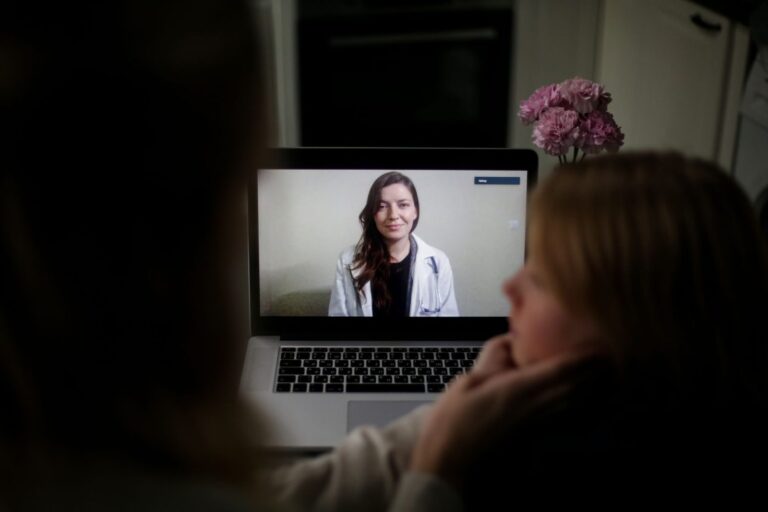
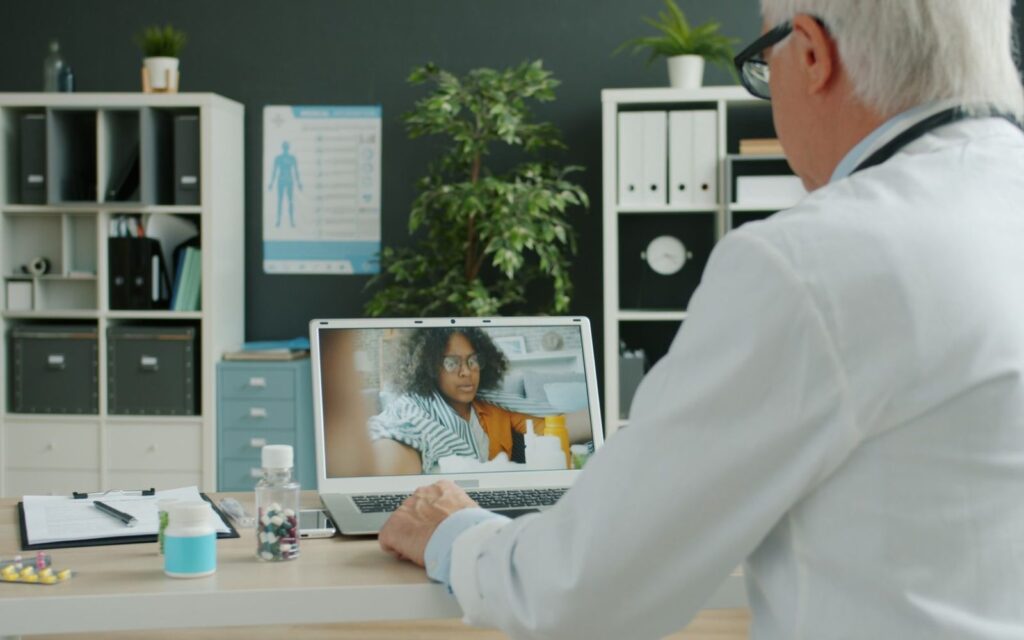
Telehealth weight loss care brings much of that process online. You complete a health intake, share your medical history, and meet with a licensed healthcare provider remotely when appropriate. If the provider determines that prescription treatment may be suitable, they can discuss options, expected benefits, possible side effects, and follow-up care.
The distinction is bigger than location. A clinic often builds its care around a local schedule and office overhead. Telehealth is designed around accessibility. For adults balancing work, family obligations, travel, or limited mobility, removing the commute can make it easier to begin and stay engaged with care.
What Medical Oversight Should Look Like
Convenience should never mean cutting corners. Whether you choose online care or a local clinic, responsible medical weight loss starts with a real clinical evaluation. A provider should review relevant health history, current medications, weight-related goals, and factors that may affect treatment eligibility.
This matters especially for prescription GLP-1 medications. Semaglutide and tirzepatide work through pathways involved in appetite regulation and blood sugar management. They are not a one-size-fits-all answer, and they are not appropriate for everyone. A qualified clinician should help determine whether a medication-based plan fits your health profile and explain what to monitor along the way.
For many patients, telehealth can provide this clinician-led approach without an office visit. At Pure Gold Health & Wellness, patients are connected with independent licensed healthcare providers for online evaluations and individualized treatment planning. When prescribed, medication fulfillment is coordinated through state-regulated pharmacy partners, with shipping directly to the patient.
A local clinic may be the better choice if you have symptoms that require a physical exam, complex medical conditions needing close in-person coordination, or you simply feel more comfortable meeting your provider in an office. Telehealth providers may also recommend in-person evaluation or additional testing when it is clinically appropriate. That is not a setback. It is part of responsible care.
Convenience Can Change Consistency
Weight loss medication is only one part of a sustainable strategy. Patients still need to eat in a way that supports their goals, prioritize protein and hydration when recommended, maintain muscle through appropriate movement, and communicate about side effects or changing health needs. A plan is more likely to work when it fits into real life.
Traditional clinics can create accountability through scheduled weigh-ins and regular office visits. Yet that same structure can become a barrier if getting to the office means taking time off work, arranging transportation, or sitting in a waiting room every month.
Telehealth offers a different form of accountability. Follow-up can happen from home, messages and care coordination can be handled digitally, and treatment can arrive without a pharmacy trip when shipping is available. For someone who has delayed care because the logistics felt overwhelming, that simplicity can be the reason they finally begin.
Privacy is another meaningful advantage. Weight gain can be deeply personal, particularly when it is connected to hormonal changes, aging, or years of discouragement. Many people appreciate discussing those concerns from a private setting rather than in a busy local office.
Comparing Cost and Access
Cost is where patients often find the biggest practical difference between telehealth and a weight loss clinic. In-person clinics may charge consultation fees, recurring visit fees, membership fees, or separate charges for labs and medication. These expenses are not always presented together at the start, so asking for a full monthly estimate is wise.
Insurance coverage for weight loss treatment can also be inconsistent. Even when a medication is covered, prior authorization requirements, deductibles, and formulary changes can make the process frustrating. If you are paying out of pocket, a clear cash-pay price may be easier to plan around than a series of separate office bills.
Many telehealth programs are built for patients who do not want to rely on insurance. They may offer straightforward program pricing, online care coordination, and shipping as part of the process. Still, patients should ask exactly what is included: provider evaluation, follow-up support, prescribed medication when eligible, supplies, and shipping. Transparent answers help you compare value rather than simply choosing the lowest advertised number.
Compounded medications deserve a careful conversation as well. Compounded products are prepared by pharmacies and are not the same as FDA-approved brand-name medications. They may be considered when clinically appropriate and legally available, but patients should understand the source of the medication, the provider’s role, and the pharmacy’s credentials before moving forward.
When a Physical Clinic May Be Worth It
Telehealth is not automatically the best fit for every person. An in-person clinic can be valuable if you prefer hands-on support, want body composition testing or onsite services, or need frequent physical assessment. Some people are more motivated by walking into an appointment, stepping on a clinic scale, and speaking with a care team face to face.
It may also be a better starting point if you have a complicated health history, significant digestive symptoms, uncontrolled blood pressure, or other concerns that require direct examination. A quality clinic should coordinate with your primary care provider and avoid making treatment promises before understanding your health situation.
The best clinics do more than sell injections. They set realistic expectations, make room for questions, and treat weight as a medical concern influenced by metabolism, hormones, sleep, stress, medications, and daily habits.
When Telehealth May Be the Better Fit
Telehealth may be a strong choice if your main obstacle is access. Perhaps you live far from a specialized clinic, have a packed schedule, or want a private process that does not depend on repeated office visits. It can also suit patients who are comfortable completing forms online, communicating digitally, and following clear clinical instructions at home.
For adults experiencing age-related metabolic changes, telehealth can make it easier to seek timely support rather than waiting until frustration turns into resignation. You do not need to have failed every diet or reach a certain level of discouragement before asking a clinician about your options.
The key is to choose a platform that keeps a licensed provider involved, communicates clearly about eligibility and risks, and does not treat medication as a shortcut. Meaningful progress usually comes from a personalized plan, consistent follow-up, and adjustments based on how your body responds.
Questions to Ask Before You Choose
Before enrolling in either type of program, ask who evaluates you, how follow-up works, what the total monthly cost includes, and what happens if you experience side effects or need a change in treatment. Ask whether the provider can coordinate with your existing healthcare team and where any prescribed medication is filled.
You should also be wary of programs that guarantee a specific number of pounds lost, skip a medical review, or make it difficult to speak with a clinician. Weight loss is personal biology, not a promise on a banner. A trustworthy program will be encouraging while staying honest about individual results.
Your next step does not have to be another punishing diet or an expensive office routine that is impossible to maintain. Choose the care model that makes medically guided support feel realistic, respectful, and within reach – then give yourself permission to begin your journey with renewed confidence.